


Races and big events reward the rider whose bike is ready as much as the rider who is fit. Long distances, changing weather and rough surfaces mean small setup decisions add up over a day. Whether you're lining up at a road sportive, an off-road event like the Motatapu or a gravel ride like the Glenorchy Gravel Grind, here's what to check and adjust before the start line.

How to Set Up Your Bike for a Race or Big Ride
Choose the Right Bike for the Event
Start with the event's own guidance, because many races are more flexible than riders expect. For the Glenorchy Gravel Grind, the organisers have said you don't need a gravel bike and any mountain bike will do fine, and they advise road riders to have gravel experience first.
The best bike for race day is usually the one you already ride and trust. A gravel bike is quick on smooth, hardpacked roads, while a hardtail or cross country bike gives you more grip and comfort on rougher ground. Let the course surface guide you, and if a long day worries you, an e-bike can take the edge off.
Start With Your Tyres
Tyres change how a bike feels more than almost any other part. Wider tyres add grip, comfort and puncture resistance on loose or rough surfaces, while narrower, smoother tyres roll faster on tarmac. Check what your frame and rims can fit, then match the tread to the course: fast-rolling for hardpack and sealed roads, more aggressive knobs for loose, steep or wet terrain. If your current wheels and tyres are worn or the wrong shape for the event, race week is too late to find out.
Sold out
Sold out
Sold out
Sold out
Sold out
Sold out
Sold out
Sold out
Sold out
Consider Going Tubeless
Tubeless setups let you run lower pressure with less risk of pinch flats, and sealant can close small punctures as you ride. Converting takes tubeless-ready tyres and rims, plus valves, sealant and tape, which you'll find among the tubeless accessories. Even then, keep a spare tube in your kit, because sealant won't fix every puncture.
Dial In Your Tyre Pressure
The right pressure depends on your weight, tyre width, rim width and the surface. Road riders generally run higher pressures, while gravel and mountain bike riders go softer for grip and comfort. Start a little lower than you think, then adjust in small steps until the bike feels comfortable and the rim isn't bottoming out. Test it on a ride that matches the race terrain. A floor pump with an accurate gauge makes this much easier, and a small pump or CO2 inflator should ride with you on the day.
Check Your Suspension (If You Have It)
On a mountain bike, set your sag and rebound for the course and your riding weight, then look for leaks, stiction or worn seals. If your fork or shock is overdue for a service, get it done well before the event. Wear items like seals and bushings are usually covered by the suspension range, so it's worth knowing what your bike needs early.
Check Your Drivetrain and Gearing
Races often mix long climbs with fast sections. Make sure your gearing gives you an easy gear you can sit and spin in late in the day, rather than one you'll be grinding at hour five. Before race day, replace a worn chain, cassette or chainrings, lube the chain and wipe off the excess, and check shifting under load, not just in the stand. If parts are due, the drivetrain range covers most of it, and a good clean with proper bike cleaning and maintenance products helps everything last.
Brakes You Can Trust
Long descents are hard on brakes, especially on loose or wet surfaces. Check pad thickness, make sure your rotors are straight and clean, and confirm the lever feel is firm. Swapping in fresh brake pads before a big event is a simple way to avoid problems.
Comfort Points: Saddle, Bars, Pedals and Shoes
On a day that can run for hours, small contact-point issues become big problems. If you get sore spots on long rides, a different saddle shape or width can make a big difference. The same goes for your handlebars and grips, where a wider or better-padded setup helps with vibration over rough surfaces. Make sure your pedals and cleats are fitted correctly, and that your bike shoes stay comfortable after several hours.
What you wear matters too. Padded bike shorts or short liners, supportive bike gloves and anti-chafe cream are all worth trialling before the event, not on the day. Check that your helmet fits well and isn't past its best, and think about whether your sunglasses will cope with changing light and dust.
Plan for the Weather
Conditions can turn quickly at any event, so decide what you'll wear and carry before you start. A packable bike jacket or vest is easy to stash in a pocket, and a pair of bike socks suited to the temperature keeps your feet comfortable. For wet courses, mudguards can make the day a lot more pleasant.
Plan How You'll Carry Everything
A tidy setup keeps weight where you want it and stops things rattling or falling off. Make sure your bottle cages hold your bike water bottles securely over rough ground. Frame and saddle bags from the bike packing range carry spares without a pack on your back, while riders who want more capacity can look at bike packs and hip packs. A compact multi-tool, a spare tube, tyre levers and a quick link cover most mechanical problems, and the bike tools range is a good place to check you have the basics.
Navigation and Visibility
Mobile coverage can be patchy in remote areas, so load the route onto a device before you leave. A GPS or bike computer makes it easy to follow the course and keep an eye on your pacing. If there's any chance you'll be riding in low light, pack a set of bike lights.
Fuelling Your Ride
Race-day setup includes how you'll eat and drink. Practise with the products you plan to use, so nothing surprises you on the day. Many riders mix real food with bars and gels and add electrolytes to their bottles on hot or long days. If you're riding for five hours or more, our guide to fuelling for 5 to 10 hour bike rides explains how to work out what your body needs, and for a competitive event, on-the-go nutrition for endurance races covers race-day timing and product strategy.
Sold out
Sold out
Sold out
Sold out
Sold out
Sold out
Sold out
Sold out
Sold out
Get a Pre-Race Service
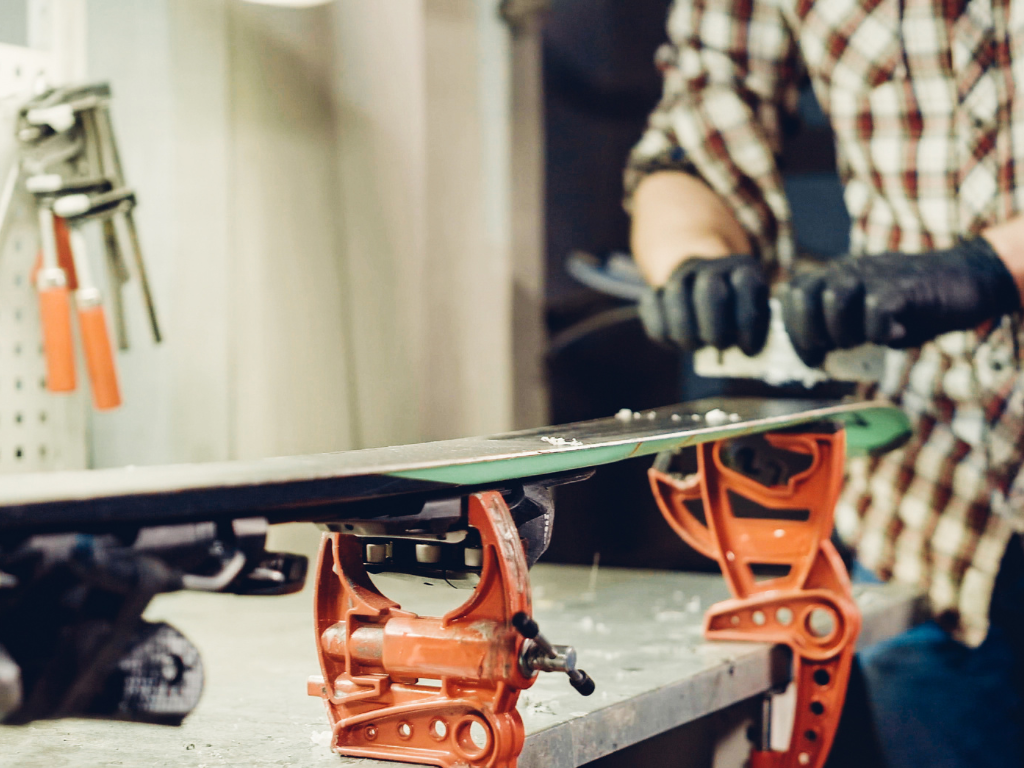
If you're not confident doing your own checks, book a service a couple of weeks before the event so there's time to fix anything that turns up. A good mechanic will check your drivetrain, brakes, wheels and tyres, and can flag problems you might not have noticed. Workshop bookings fill up before big events, so earlier is better, and our Bike Workshop is one option if you're based in the Southern Lakes. If you need a bike for the event itself, bike rentals are another.
Final Checks the Week of the Race
- Ride your race setup at least once, at race pace, over similar terrain
- Check tyre condition, sealant and pressure
- Test your lights, GPS and any electronic shifting batteries
- Tighten bolts on bars, stem, seatpost and bottle cages
- Pack your spares and tools, and keep them on the bike during practice
- Rehearse your race-day fuelling plan on a long ride, so your stomach knows what's coming
FAQ
How far ahead should I service my bike before a race?
A week or two beforehand gives you time to fix any issues and test the bike before race day.
What tyre pressure should I run?
It depends on your weight, tyre width, rim width and the surface, so test a few pressures on similar terrain before the event.
Should I run tubeless for a race?
Tubeless setups are popular because they allow lower pressure and can seal small punctures, but they need correct setup and maintenance. Carry a spare tube regardless.
Can I race on a mountain bike?
Often, yes. Check the event's guidance. For the Glenorchy Gravel Grind, the organisers have said any mountain bike will do.
What should I carry on a long race or ride?
At a minimum: a spare tube or repair kit, tyre levers, a pump or CO2, a multi-tool, food, water and a weather layer. If you're unsure how much food to pack, this guide to fuelling long rides is a good starting point.