Get $10 Voucher per $100 Spend! T&C Apply

Free Shipping on Orders Over $150. T&C Apply

Enjoy 60 Days of Easy, Hassle-Free Returns! T&C Apply

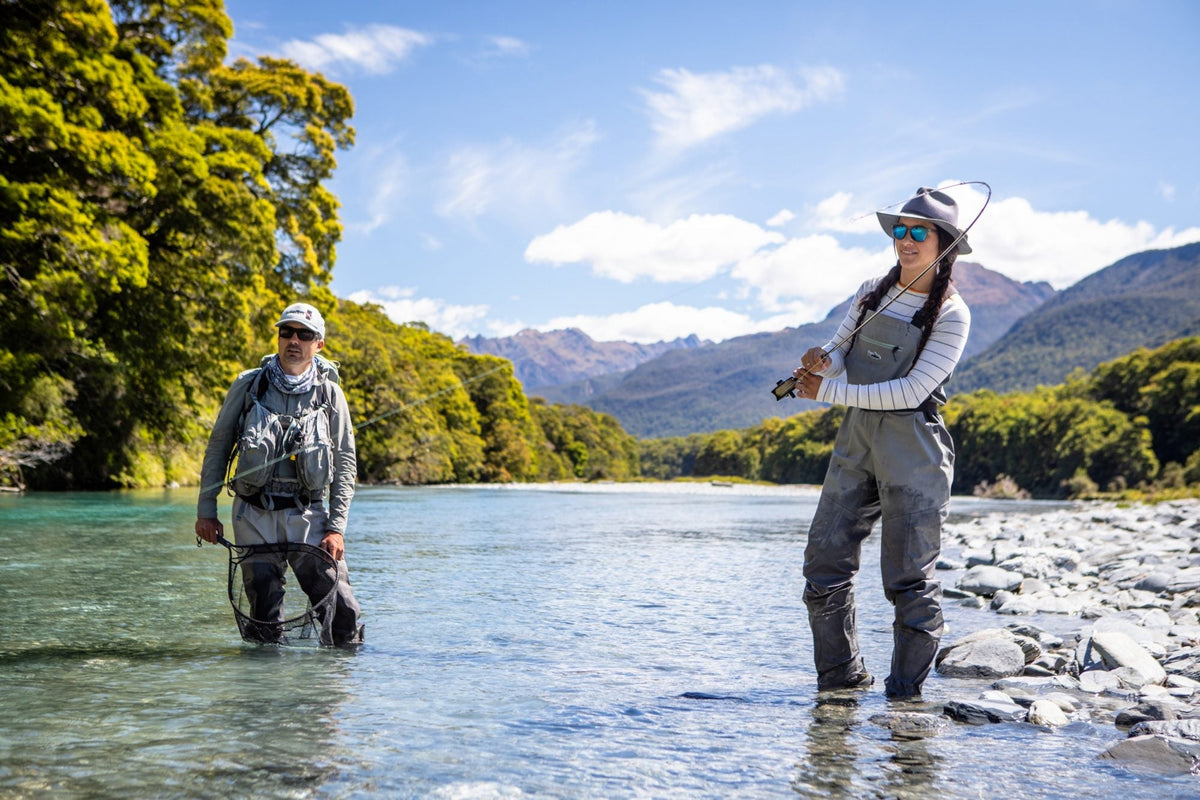
Planning to try trout fishing while visiting Queenstown, Wanaka or the wider Southern Lakes? Choosing the right fishing gear can make getting started a whole lot easier.

From classic metal spinners to soft baits and fly fishing, there are several ways to target trout in the region's lakes and rivers. The trick is knowing what to use, how to present it and when to change your approach.

Whether you're new to fishing or simply unfamiliar with New Zealand's freshwater fishing, here's how to choose your tackle and get more out of your time on the water.

1. Spinners, Soft Baits or Fly Fishing?

The best fishing method depends on the water you're fishing, the conditions and your experience. If you're starting out, these are three common approaches to consider.

Spinners: A Simple Starting Point

Spinners are artificial lures designed to create movement and flashes of light as they're retrieved through the water. They're straightforward to use and allow you to cover plenty of water when fishing from the shore.

Cast out, wind your reel at a steady pace and let the lure do the work. You can then experiment with different speeds, depths and casting angles to see what attracts attention.

For Lake Wanaka, small spinners in green, gold or silver combinations are options worth trying. Traditional lures such as the Black & Gold Toby are also well-known choices for targeting trout.

Best for: Beginners wanting a relatively simple way to fish from the shore.

Explore our spin fishing tackle to find spinners and other lures for your next fishing trip.

Soft Baits: A Different Presentation

Soft baits are flexible artificial lures designed to imitate small fish and other prey. They come in a range of shapes, sizes and colours, with different designs creating different movements through the water.

You can retrieve them steadily or use small rod movements to change their action. They can also be useful when you want to target fish at a particular depth.

If you're fishing around rocky shorelines or weed beds, ask for advice on choosing a suitable soft bait and rigging it to reduce the chance of snagging.

Best for: Anglers wanting to experiment with different lure movements and presentations.

Fly Fishing: A More Technical Approach

Fly fishing uses a specialised rod, reel, line and lightweight artificial flies designed to imitate insects, small fish and other food sources.

It takes more practice to learn the casting technique, but it offers a rewarding way to fish the Southern Lakes' rivers and streams.

The choice of fly depends on what trout are feeding on and the conditions. Local fishing specialists and experienced anglers can help you select suitable patterns for your chosen waterway.

Best for: Anglers interested in learning a more technical method, particularly for river fishing.

If you're interested in fly fishing, browse our fly fishing accessories for useful additions to your setup.

If you're unsure where to begin, a spinning setup is a practical option for exploring lake shorelines. You can always try other methods as your experience grows.

2. Choosing the Right Lure Colour and Size

Lure colour and size can influence how trout respond, but there isn't one combination that works in every situation. Water clarity, light levels, depth and the food fish are targeting can all make a difference.

What Colours Should You Try?

Fish & Game Otago's Lake Wanaka guidance offers some useful starting points:

  • Bright, sunny conditions: Try brighter colours such as red, yellow or orange.

  • Dull conditions or night fishing: Green, blue and black combinations are worth experimenting with.

  • Discoloured water: Fluorescent pink and green can be worth trying.

These are starting points rather than hard-and-fast rules. If you're not getting any interest, change the colour combination or try fishing at a different depth.

For shore fishing, small spinners in green, gold or silver combinations are also worth considering.

What Size Lure Should You Choose?

The right size depends on the water, the depth you're targeting and the distance you need to cast.

Smaller, lighter spinners can be useful when exploring shallow lake margins and smaller waterways. Heavier lures may help you cast further or reach deeper water, although you'll need to match the weight to your rod and conditions.

Rather than buying a large collection straight away, start with a few suitable options and ask a local fishing specialist what works for your chosen location.

3. How to Retrieve a Spinner

A spinner is relatively easy to use, but how you retrieve it can affect its movement through the water.

Step 1: Cast beyond your target.

Look for likely feeding areas, such as rocky edges, weed beds or places where streams flow into a lake. Cast beyond the area so your lure can travel through it.

Step 2: Let it sink if needed.

Allow the lure to settle briefly if you're targeting deeper water. Avoid letting it sink into weeds or rocks where it may snag.

Step 3: Retrieve steadily.

Start winding at a consistent pace that allows the spinner blade to rotate properly. You should be able to feel the lure working through the line.

Step 4: Experiment with speed.

If you're not getting bites, try a slightly slower or faster retrieve. You can also vary the depth you're fishing by adjusting how long you let the lure sink before winding.

Step 5: Cover more water.

Try different casting angles rather than repeatedly casting into the same spot. Moving along an accessible shoreline can help you explore new areas where trout may be feeding.

Give each approach a fair try, but don't be afraid to change something if it isn't working.

4. Fishing Clear Water Without Spooking Trout

The Southern Lakes are known for their clear water, which can make spotting fish possible in the right conditions. It also means trout may notice movement along the shoreline.

A few simple habits can help you approach the water more carefully:

  • Move quietly: Avoid sudden movements and heavy footsteps near the edge.

  • Look before casting: Scan shallow water for fish before your lure lands.

  • Watch your shadow: On bright days, your shadow crossing shallow water may alert fish to your presence.

  • Cast ahead of cruising trout: If you spot a fish moving through the shallows, try placing your lure ahead of its path rather than directly on top of it.

  • Pay attention to the shoreline: Rocky areas, weed edges and changes in depth can be worth exploring.

Rocky and weedy areas can provide feeding opportunities for trout, while stream mouths are also worth investigating. Conditions vary between locations, so take time to observe the water before choosing where to cast.

You won't always see a fish before it takes your lure, but paying attention to your surroundings can help you make better decisions.

5. Common Beginner Mistakes

A few small adjustments can make learning to fish much less frustrating.

Using the same lure all day

If you're not getting any interest, try changing the colour, size or style of your lure. You can also experiment with a different retrieval speed or depth.

Retrieving too quickly

A fast retrieve isn't always the answer. Start steadily and adjust your speed to see how the fish respond.

Casting repeatedly into the same spot

Covering different areas can help you find where fish are feeding. Try a different angle or move to another accessible section of shoreline.

Buying too much gear at once

You don't need a tackle box full of lures to get started. A suitable rod and reel, a small selection of lures and the right terminal tackle are enough to begin learning.

Forgetting your terminal tackle

Your line, hooks, swivels and other small components all play a part in your setup. If you're unsure what you need, ask for help choosing tackle that works with your rod, reel and chosen lure.

You can explore our spin fishing accessories for items to help complete your setup.

Assuming the same rules apply everywhere

Fishing regulations vary between waterways. Check the current rules for your chosen location before heading out, including permitted methods, seasons and catch limits.

6. What to Ask When Buying Fishing Gear Locally

If you're visiting Queenstown, Wanaka or the surrounding region, local advice can help you avoid buying gear that isn't suited to your plans.

You don't need to know all the technical terms. Start with these questions:

  • “I'm fishing from the shore of Lake Wanaka or Lake Wakatipu. What would you recommend?” Your location and fishing method help narrow down the options.

  • “Which spinners should I try?” Ask for a few suitable options rather than buying lots of different lures.

  • “What lure weight suits my rod?” Your rod, reel, line and lure need to work together.

  • “What else do I need to get started?” Check whether you need additional terminal tackle or other essentials.

  • “What are the rules for this waterway?” Confirm the current regulations and licence requirements before fishing.

Outside Sports stocks fishing gear for a range of fishing methods. Browse our fishing collection or visit a local store for help finding a suitable setup.


Sold out


Sold out


Sold out


Sold out


Sold out


Sold out


Sold out


Sold out


Sold out


Sold out


Sold out


Sold out


Sold out


Sold out


Sold out

Ready to Try Trout Fishing in the Southern Lakes?

You don't need to be an experienced angler to give trout fishing a go. Start with a simple setup, learn how to use your lure and experiment with different approaches as you go.

From choosing your first spinner to exploring the shoreline of Lake Wanaka, part of the fun is learning to read the water and discovering what works.

For a broader introduction to local fishing spots and getting started in the region, read our Introduction to Fishing in the Southern Lakes Region.

Explore fishing gear at Outside Sports and get ready for your next day on the water.

Prepare For Your Next Adventure


HIKING


RUNNING


BIKING


SKIING