Get $10 Voucher per $100 Spend! T&C Apply

Free Shipping on Orders Over $150. T&C Apply

Enjoy 60 Days of Easy, Hassle-Free Returns! T&C Apply

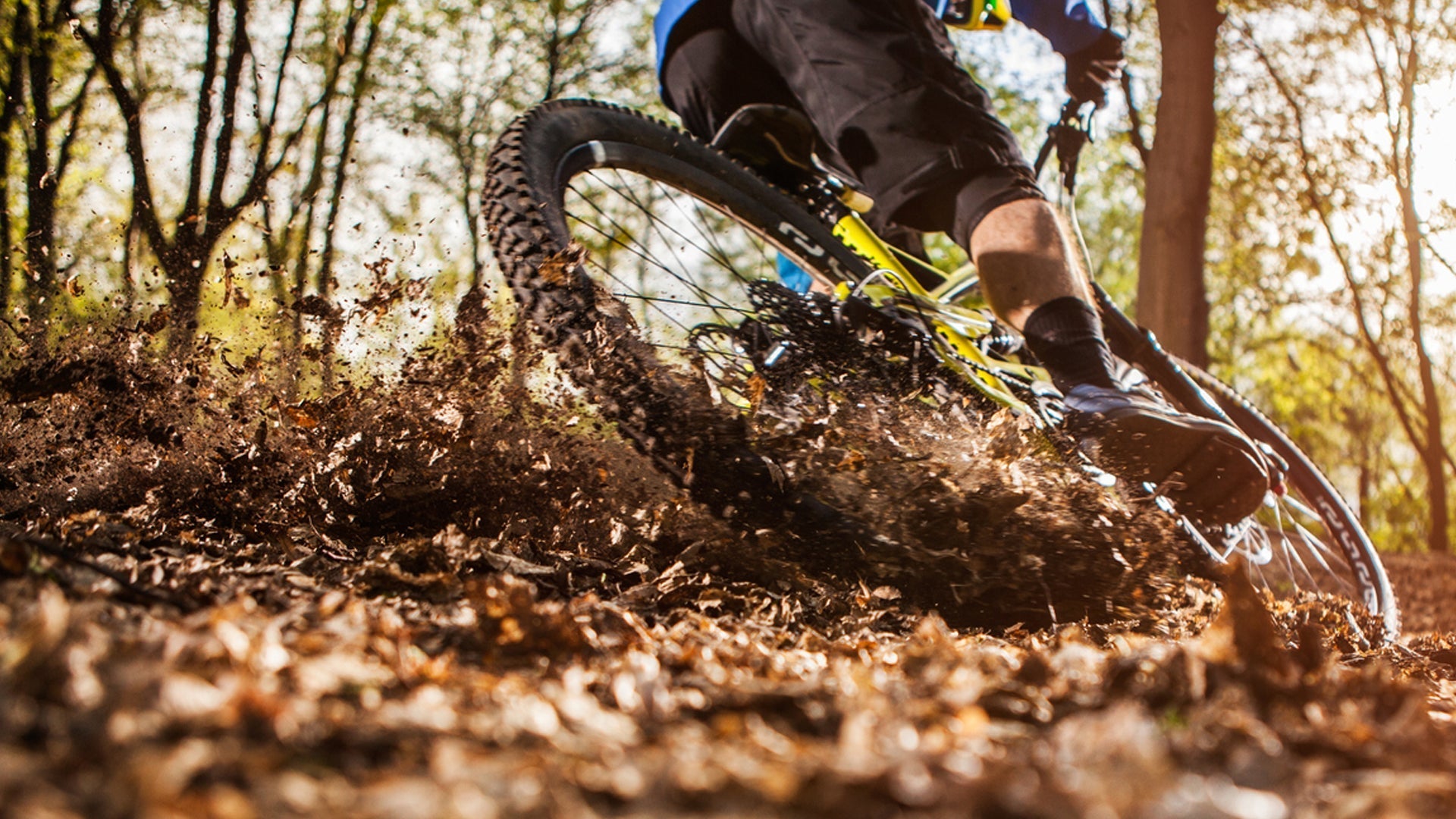
The ground, rocks and trees are hard and you go fast, which means that mountain biking can be a dangerous sport – so anything you can do to minimise the risk of injury is worthwhile in our book. 

In this guide we'll cover:

  • Physical preparation
  • Your gear
  • Bike Setup
  • Trail Etiquette
  • A safety minded attitude

Your mountain biking safety checklist 

Physical Preparation 

Training, strength, and fitness 

Mountain biking takes a special blend of strength, endurance, balance, and coordination, all of which can all be improved with targeted training before you hit the trails. And you can never start training too early. Your body needs time to adapt, build strength, and improve the resilience of your muscles, tendons, and ligaments. 

XC riders your focus should be on your aerobic fitness and increasing core strength. 
DH riders, alongside core strength, you should work on your overall strength, grip, and upper body stability. 

For riders and people in general tbh knees, shoulders, and wrists are common weak points. Targeting the muscles around these joints with strength training is one of the best ways to reduce injury risk. 

Warm Up Before You Ride 

If you’re starting with a descent, invest 5 minutes into getting your blood flowing and softening your muscles with some light pedaling and a few stretches at the top of the trail. Ideally your first downhill shouldn’t be your warmup. 

Check Your Gear

Have a good look over your bike and gear before each session. Loose bolts, worn brake pads, and damaged tyres can lead to crashes, because small issues can quickly turn into big problems when you’re going fast. 

See if your brakes are working properly and biting early enough? Are your tyres inflated correctly for the terrain you’ll be riding? Is your chain running smoothly and your suspension setup right? Are your gears shifting smoothly?  

Getting your bike serviced regularly goes a long way towards keeping it safe. Here is our handy guide to Interval Based Servicing for Mountain Bikes.

Wear a Helmet and Body Protection 

A quality helmet is non-negotiable. For DH riding we recommend a full-face helmet for maximum protection from over the handlebars type crashes. 

Knee pads, elbow pads, and back protectors can significantly reduce the impact of crashes and can be the difference between riding the next day or not. 

Ride the Right Bike Setup 

Match your tyres to the terrain

If you’ve riding mainly cross-country go for a tyre that rolls well and has a moderate level of grip that will get you through variable surfaces and for confidence inspiring braking on the loose surfaces you might encounter unexpectedly. For steep and technical downhill riding, a more aggressively treaded tyre will give you maximum control when you need it most. 

Make Sure Your Bike Fits 

A bike that’s the right size and has been adjusted for your height, leg length and reach improves control, comfort, and confidence. There’s a bit of art mixed with science in dialing in the perfect setup, and it does differ depending on the terrain you’re riding. Visiting Bikes By Outside Sports in Wanaka or Queenstown with your bike and talking to the team is recommended. We’re all passionate riders and know our stuff when it comes to bike setup. 

Secure Your Gear  

Loose backpack straps, or poorly mounted bikepacking bags can shift and throw off your balance and cause a crash. Make sure everything is secure and not interfering with your movement, especially on technical descents. 

Trail Etiquette 

Defensive Riding 

Just like you do when you’re driving, ride defensively. Be aware of other riders, hikers, and trail users. Above all expect the unexpected, especially on shared trails. You can come upon walkers very quickly and you never know how they will react. 

Communicate Clearly 

If you’re approaching another rider from behind, let them know you’re there. A quick “on your right” or “rider behind” gives them time to respond. If you’re leading a group, call out how many there are following you so they know what’s coming. 

Downhilling Rider Has Right of Way 

On most trails, the rider heading downhill has the right of way. If you’re climbing on a two way track, it’s your responsibility to move aside safely. If you’re descending, stay alert and don’t assume others will know or follow the rules. 

Stop in Safe Spots 

Never stop in the middle of the trail, especially not in blind corners, behind jumps, or on steep sections. Pull off to the side where you’re clearly visible, or stop somewhere protected where other riders can see you in advance. 

Merging Trails 

When trails merge, slow down and check both directions. Even if you technically have right of way, it’s always smarter to ride defensively and avoid unnecessary risks. 

Ride Predictably 

Hold a consistent line where possible and avoid sudden, unpredictable changes in direction—especially on busy trails. Riders behind you are reading your movements to anticipate what you’ll do next. Don’t surprise them with a random change of direction or sudden stop. 

Stay in Control 

Ride at a speed where you can react, stop, and handle obstacles safely. Fast is fun, but make sure you’re always in control 

Give Other Riders Space 

When passing, give plenty of room. If the trail is narrow, wait until it’s safe to pass. Forcing a pass in tight terrain is one of the best ways to cause a crash. 


A Safety Minded Attitude 

Warm-Up

Take time to warm into your ride. Your first run or descent shouldn’t be your fastest. Likewise, avoid pushing your limits at the very end of a ride when you’re tired, dehydrated, or low on energy. There’s a reason the worst crashes usually happen late in the day. 

Ride Trails That Match Your Ability 

Progression is good, but measured, intentional progression is better. Stick to trails that match your current skill level and build up gradually. Trail grading systems exist for a reason. If you want to step up your capabilities' faster, consider a coaching session. The right technique reduces risk and builds confidence a lot faster than trial and error. 

Respect Trail Closures 

If a trail is closed, it’s closed for a reason. It could be unsafe due to damage, conditions, or hazards you can’t see. Riding closed trails puts you and others at risk, and can spoil access for everyone - no one wants to be that guy.

Have Fun. Be Safe. Ride For Life.

Mountainbiking is awesome and it can easily be somewthing you do well into your later life. Believe it or not there are plenty of 80 year olds ripping up Bike Glendhu and Coronet. If you want be like them one day, being well prepared and riding safely will go along way towards your goal. If you need any expert guidance or safet gear make sure to see the team at Bikes By Outside Sports in Wanaka or Queenstown. We love mountainbiking just like you.

Bikes by Outside Sports. Much More Than Just Your Local Bike Shop

Leave a comment

Please note: comments must be approved before they are published.